Home Charger Types Safety How It Helps P2P Charging Earn Money

EV Charging Safety Guidelines

Charging your EV is safe and simple when you follow best practices. Here's everything you need to know.

Safe EV charging

Safety is Built Into Every Charge

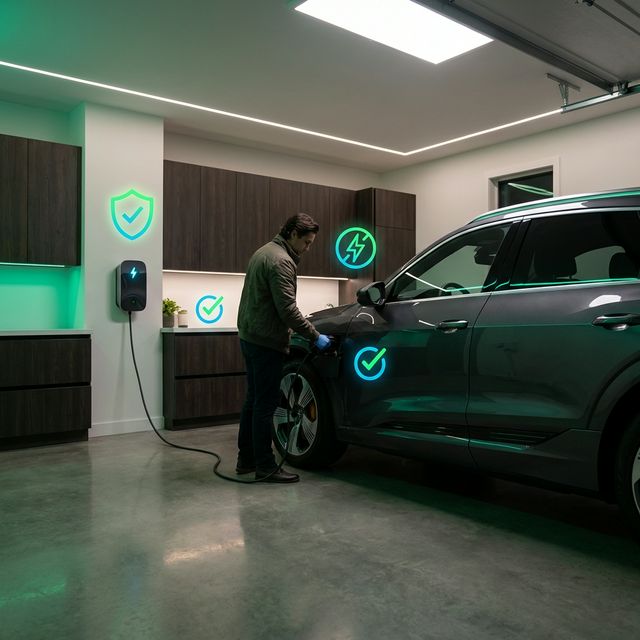
EV charging is inherently safe — modern chargers have multiple layers of protection built in. But just like any electrical device, following best practices ensures a worry-free experience every time.

All Chargekr-listed chargers are verified for safety compliance
Real-time monitoring ensures safe operation during every session
24/7 emergency support for any charging-related concerns

Top Safety Best Practices

Keep It Dry

Avoid charging in standing water. While chargers are weatherproof, excessive moisture near connections should be avoided.

Use Certified Equipment

Only use chargers and cables certified by BIS or equivalent standards. Avoid cheap, unbranded charging cables.

Monitor Temperature

Don't charge when your battery or charger connector feels unusually hot. Let it cool down before connecting.

Inspect Before Use

Check cables for damage, fraying, or exposed wires before every charging session. Report issues immediately.

Keep Kids Away

Charging equipment should not be treated as toys. Keep children and pets at a safe distance during charging.

Secure Your Vehicle

Park correctly and ensure the vehicle is in "Park" mode before connecting. Don't move the vehicle while charging.

Hosting a Charger? Stay Safe

If you're sharing your charger on Chargekr, here are additional safety considerations to protect you and your guests.

Professional Installation: Have your charger installed by a certified electrician with proper circuit protection.
GFCI Protection: Ensure your circuit has Ground Fault Circuit Interrupter protection to prevent electrical hazards.
Regular Maintenance: Schedule annual inspections of your charging equipment and electrical connections.
Clear Signage: Mark your charging area clearly. Good lighting helps users charge safely at night.
Insurance: Chargekr provides liability coverage for listed chargers, but check your home insurance too.

Chargekr Safety Promise

Every charger on our platform undergoes verification. We offer 24/7 support, insurance coverage, and real-time monitoring to keep everyone safe.

Safety Questions Answered

Is it safe to charge an EV in the rain?
Yes! EV chargers and connectors are designed to be weatherproof (IP ratings of IP54 or higher). The connection is automatically sealed when plugged in. However, avoid charging in flooded areas or standing water.
Can I get electrocuted while charging?
The risk is extremely low. EV chargers have multiple safety mechanisms including ground fault protection, automatic shutoff, and insulation monitoring. Current only flows when a proper connection is detected.
What should I do if I smell burning during charging?
Stop charging immediately. Unplug the connector (if safe to do so), move away from the vehicle, and contact emergency services if needed. Report the incident through the Chargekr app for immediate support.
Should I unplug during a thunderstorm?
While surge protectors are built into modern chargers, it's recommended to unplug during severe thunderstorms as an extra precaution — similar to advice for any electronic device during electrical storms.
Is overnight charging safe?
Absolutely. EV charging systems have battery management systems (BMS) that automatically stop charging when the battery is full. Overnight charging with a Level 1 or Level 2 charger is the recommended method for most EV owners.

Charge Confidently with Chargekr

Safety is our top priority. Download the app and charge with peace of mind.